Recent output
Recent publications and research highlights
Explore recent publication activity and research outputs from White Lab Neuro.
View publications
King’s College London
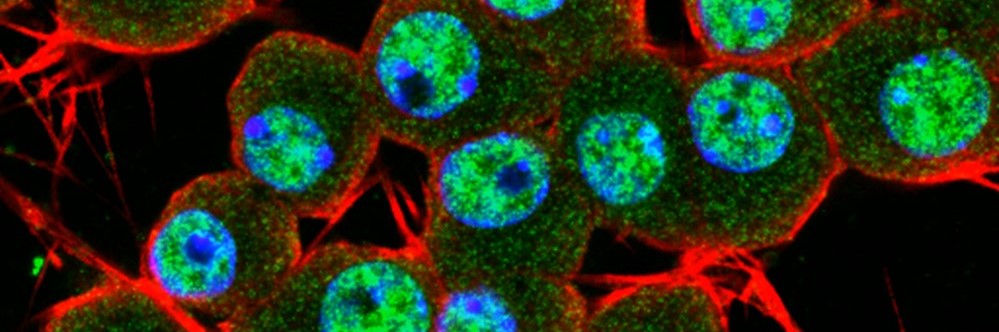
White Lab explores how changes in RNA-binding proteins disrupt the health and function of human brain cells. Using stem-cell-derived neurons, organoids and transcriptomic approaches, we study early disease processes in neurodegeneration and related disorders of the nervous system.
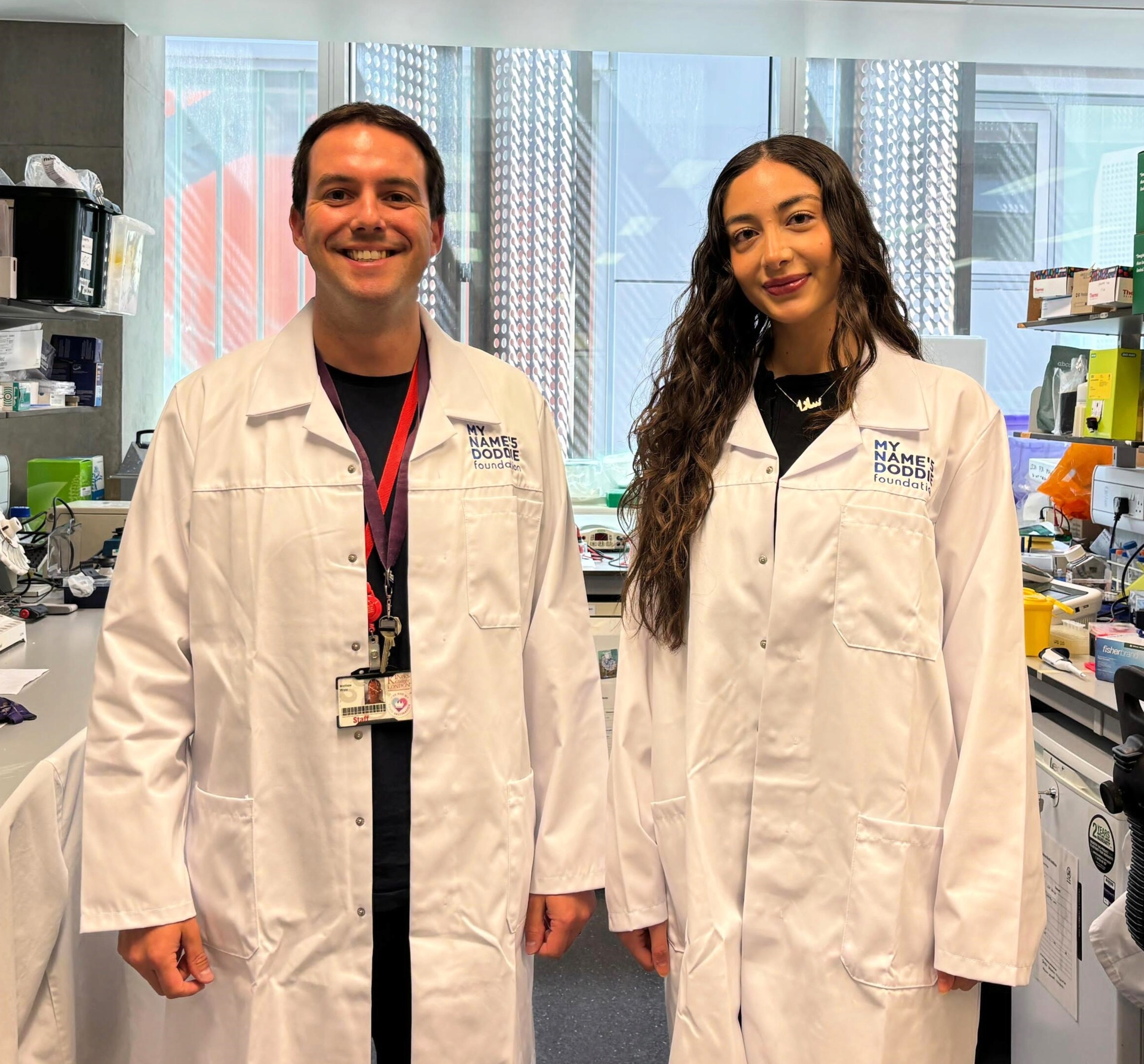
A growing research group focused on RNA biology, neurodegeneration, human stem-cell models and transcriptomics.
Recent output
Explore recent publication activity and research outputs from White Lab Neuro.
View publicationsResearch focus
We study RNA biology, neurodegeneration, stem-cell models and transcriptomic change.
Explore our researchGet involved
We welcome interest from students, collaborators, supporters and community partners.
Join / ContactMechanism
We study how proteins such as TDP-43 and related RNA regulators shape gene expression, splicing and cellular vulnerability in the nervous system.
Read moreModels
Our work uses human neurons, organoids and assembloids to investigate disease-relevant biology in experimentally tractable human models.
Explore modelsDiscovery
We combine molecular and computational approaches to map gene expression, splicing, isoform change and early disease-associated signatures.
See our approachWhite Lab is an independent research group based at King’s College London. We are interested in a simple but important question: what happens when the systems that control RNA in our cells begin to go wrong?
RNA-binding proteins help cells decide how genetic information is processed and used. When these systems are disrupted, the effects can be especially damaging in the brain. Our work focuses on understanding these early changes in human cell and tissue models, with the aim of revealing why some cells become vulnerable in disease and how those changes might one day be targeted more effectively.
We study proteins that help control RNA inside cells, including proteins linked to motor neurone disease, frontotemporal dementia and other neurological disorders.
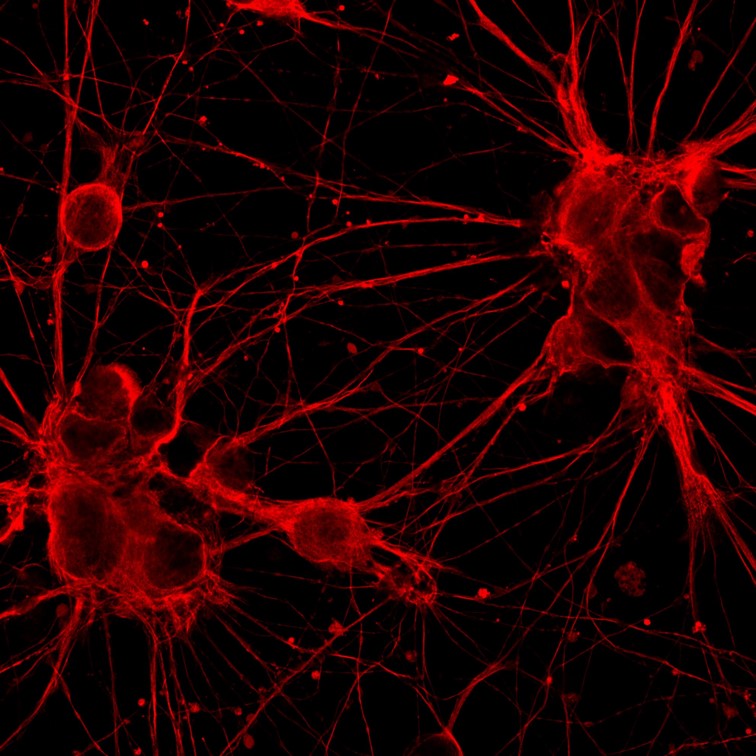
Our work uses human stem-cell-based models, including neurons, organoids and assembloids, to study disease in systems that are both biologically relevant and experimentally useful.
We use transcriptomic approaches to understand how disrupted RNA regulation changes the way genes are used in cells, including changes in expression, splicing and isoform usage.
By identifying the molecular changes that appear early, we hope to highlight pathways that matter most and support more informed strategies for therapeutic discovery.
Our research brings together human iPSC-derived neurons, brain organoids and assembloids, molecular neuroscience, transcriptomics, RNA analysis, and single-cell and long-read sequencing.
We are interested not only in strong science, but in communicating it clearly and openly to the communities who help make it possible, including collaborators, funders, charities, patients, families and the wider public.
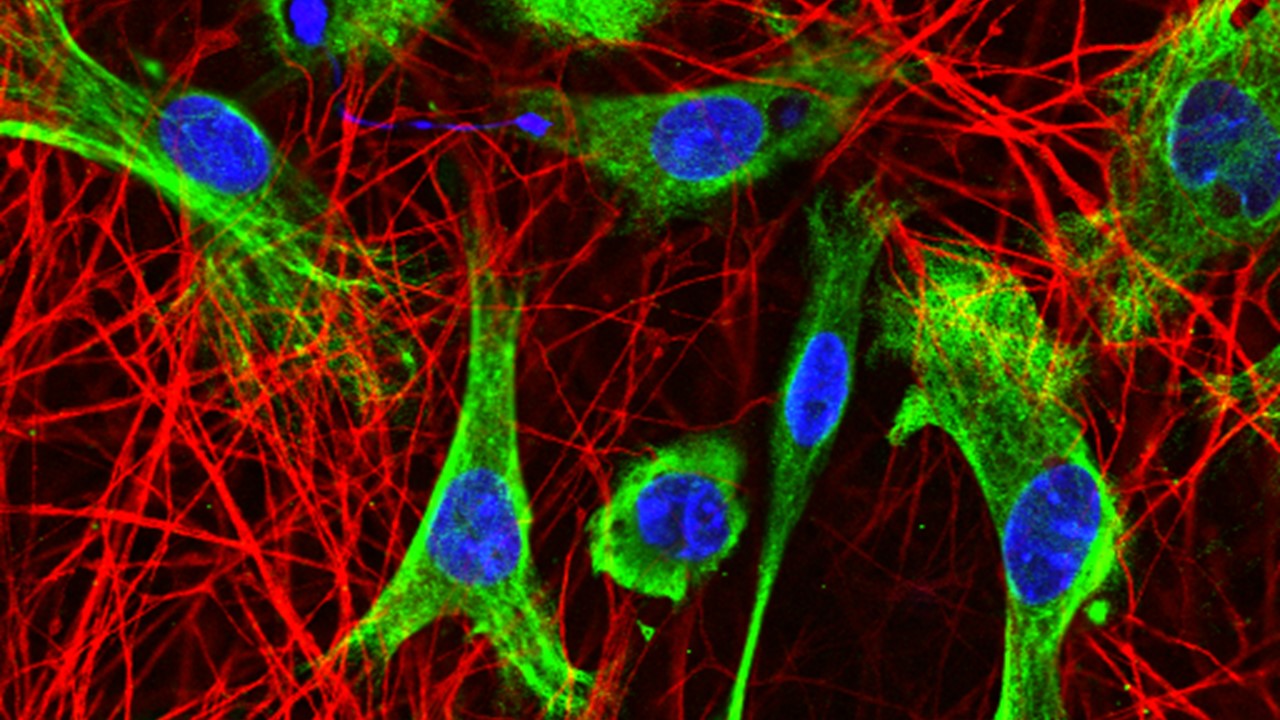
White Lab Neuro is committed to transparent and reproducible research. Our pipelines-and-protocols repository provides a central home for pipelines, workflows and version-controlled protocols developed in the lab.
As the lab grows, this repository will provide a clearer record of how analyses were run and how methods evolved across projects, supporting reproducibility, traceability and open science.
Follow research updates, publications, funding news and lab milestones as White Lab grows.
Visit the news pageSelected publications and research highlights will showcase the lab’s work in RNA-binding proteins, neurodegeneration and stem-cell-based disease modelling.
View publicationsWhite Lab Neuro is grateful for the support of charities, foundations, research partners and community organisations whose backing helps make our work possible.
White Lab Neuro is grateful for the support of charities, foundations, research partners and community organisations whose backing helps make our work possible.







We welcome enquiries from prospective students, collaborators, funders, charities and others interested in our work.
Whether you are interested in RNA biology, neurodegeneration, stem-cell models, transcriptomics or public engagement around neuroscience, we would be pleased to hear from you.
Join / Contact