
Microscopy banner image of human neurons

Publications

Research outputs from White Lab Neuro

Publications are one of the main ways we share our work and contribute to wider scientific understanding. This page highlights selected papers that reflect the questions, methods and disease areas shaping White Lab Neuro.

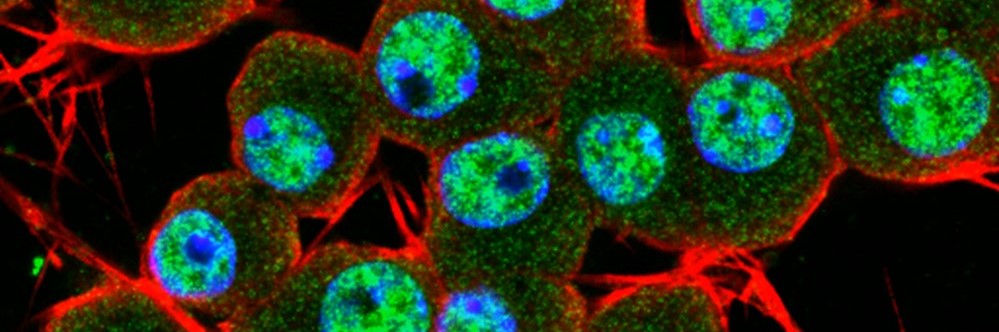
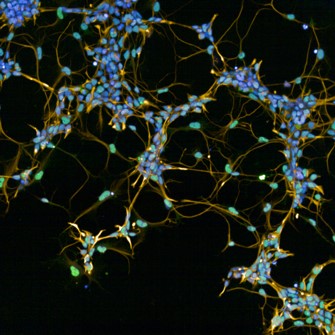
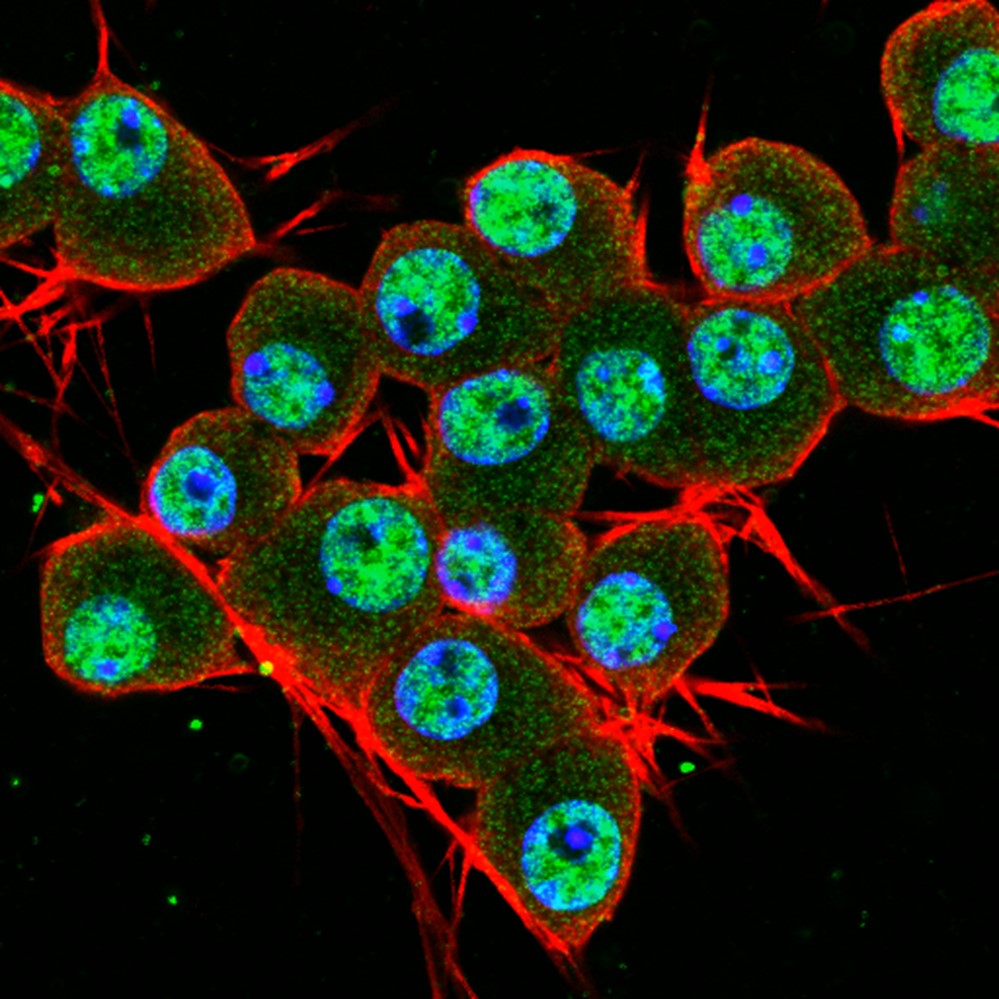
Fluorescence microscopy image of nerve stem cells Fluorescence microscopy image of nerve cells with TDP-43 staining

Featured research

White Lab Neuro is a new independent research group, and this page will grow alongside the lab. At launch, it highlights selected publications that reflect the scientific direction of the programme.

Journal image for Molecular Neurobiology paper

Inhibiting Glycogen Synthase Kinase 3 Suppresses TDP-43-Mediated Neurotoxicity in a Caspase-Dependent Manner

White, Crowley, Massenzio et al.
Molecular Neurobiology (2026)

Why it matters: This study helps explain how disease-associated TDP-43 toxicity might be reduced in brain cells. It highlights GSK3 inhibition as a promising way to interrupt harmful processes linked to ALS and frontotemporal dementia, pointing toward new therapeutic strategies for TDP-43-related neurodegeneration.

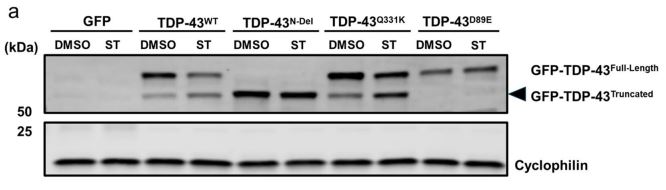
Scientifically, the work shows that TDP-43 activates GSK3 and promotes caspase-dependent cleavage of TDP-43, generating toxic truncated species. GSK3 inhibition reduced these truncated forms, improved neuronal survival, and showed protective effects across primary rodent neurons and human iPSC-derived cortical neurons.

Example figure from Molecular Neurobiology paper
Journal image for Nature Neuroscience paper

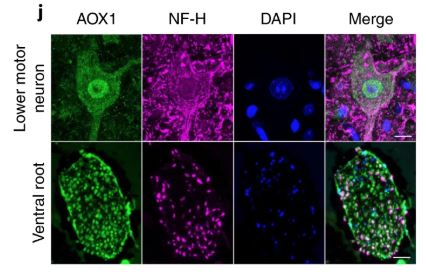
TDP-43 Gains Function Due to Perturbed Autoregulation in a Tardbp Knock-in Mouse Model of ALS-FTD

White, Kim, Duffy et al.
Nature Neuroscience (2018)

Why it matters: This paper provided important evidence that even subtle disruption of TDP-43 regulation can drive disease-relevant changes in the brain and behaviour. It helped show why TDP-43 is such a central protein in ALS-FTD research and why understanding its normal control mechanisms matters for future therapeutic progress.

Scientifically, the study generated a knock-in mouse carrying a human-equivalent TDP-43 mutation in the endogenous gene, rather than relying on stronger artificial overexpression. It showed perturbed TDP-43 autoregulation, a gain of TDP-43 function, altered splicing of other disease-relevant genes including Mapt, and phenotype-linked transcriptomic changes that highlighted candidate modifiers of neurodegeneration.

Example figure from Nature Neuroscience paper
Journal image for Acta Neuropathologica Communications paper

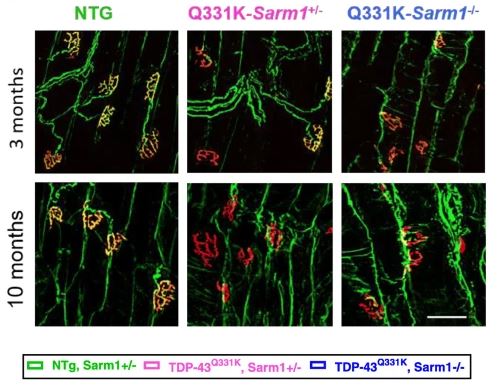
Sarm1 Deletion Suppresses TDP-43-Linked Motor Neuron Degeneration and Cortical Spine Loss

White, Duffy, Adalbert et al.
Acta Neuropathologica Communications (2019)

Why it matters: This study showed that blocking a known degeneration pathway can protect vulnerable neurons and their connections in a TDP-43 model of ALS-FTD. It added support to the idea that pathways involved in axon self-destruction may represent useful therapeutic targets in neurodegenerative disease.

Scientifically, the work deleted Sarm1 in a TDP-43Q331K mouse model and found protection of motor axons, neuromuscular junctions, motor neuron cell bodies, and cortical dendritic spines. It also helped define the strengths and limitations of this pathway, showing structural neuroprotection even where behavioural rescue remained incomplete.

Example figure from Acta Neuropathologica Communications paper
Journal image for Translational Psychiatry paper

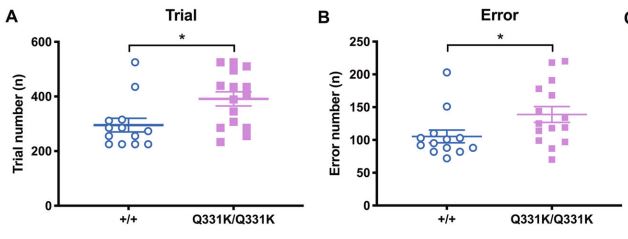
Coexistence of Perseveration and Apathy in the TDP-43Q331K Knock-in Mouse Model of ALS-FTD

Kim, White, Phillips et al.
Translational Psychiatry (2020)

Why it matters: Brain disease is not only about cell loss under the microscope. It also affects behaviour, motivation and daily life. This paper helped show that a TDP-43 mouse model can capture behavioural features relevant to ALS-FTD, making it more useful for understanding symptoms that matter greatly to patients and families.

Scientifically, the study used a touchscreen-based behavioural testing platform to characterise the TDP-43Q331K knock-in mouse in detail. It identified a combination of perseverative behaviour, reduced motivation and cognitive inflexibility, supporting the model as a translational platform for studying behavioural and psychological symptoms in ALS-FTD.

Example figure from Translational Psychiatry paper

Full publication list

A fuller list of publications and research outputs can also be viewed through external academic profiles.

King’s profile: Add link

ORCID: Add link

Google Scholar: Add link

PubMed: Add link

More publications to come

As White Lab Neuro grows, this page will expand to include additional papers, preprints and research highlights.