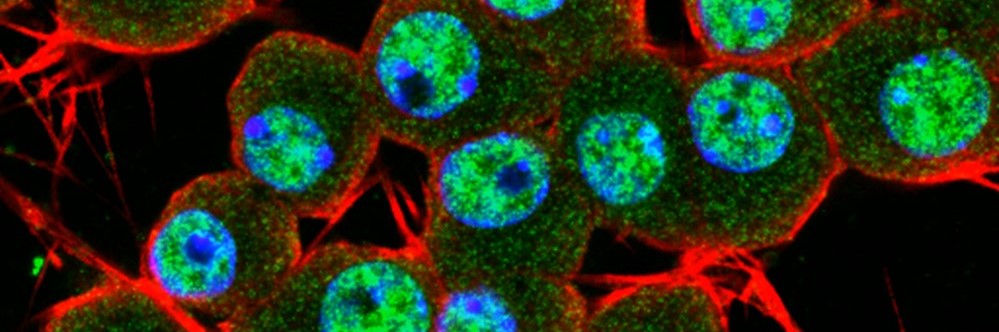
Microscopy banner image of human neurons

Research

Understanding how problems in RNA biology affect the nervous system

At White Lab, we study how disrupted RNA regulation changes human neurons and brain models, with a focus on early mechanisms of neurodegeneration and related nervous system disorders.

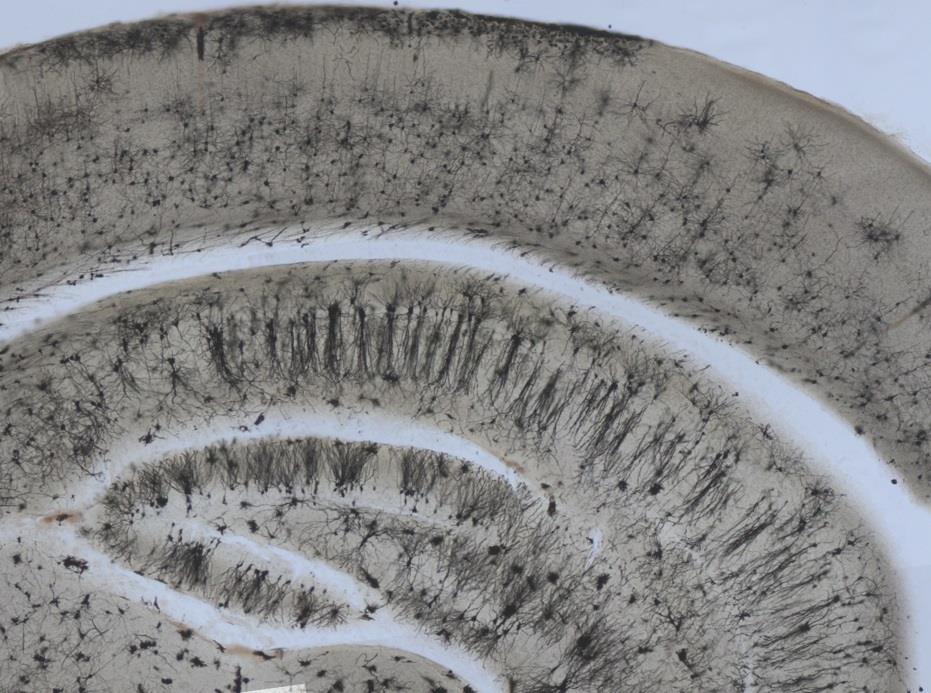
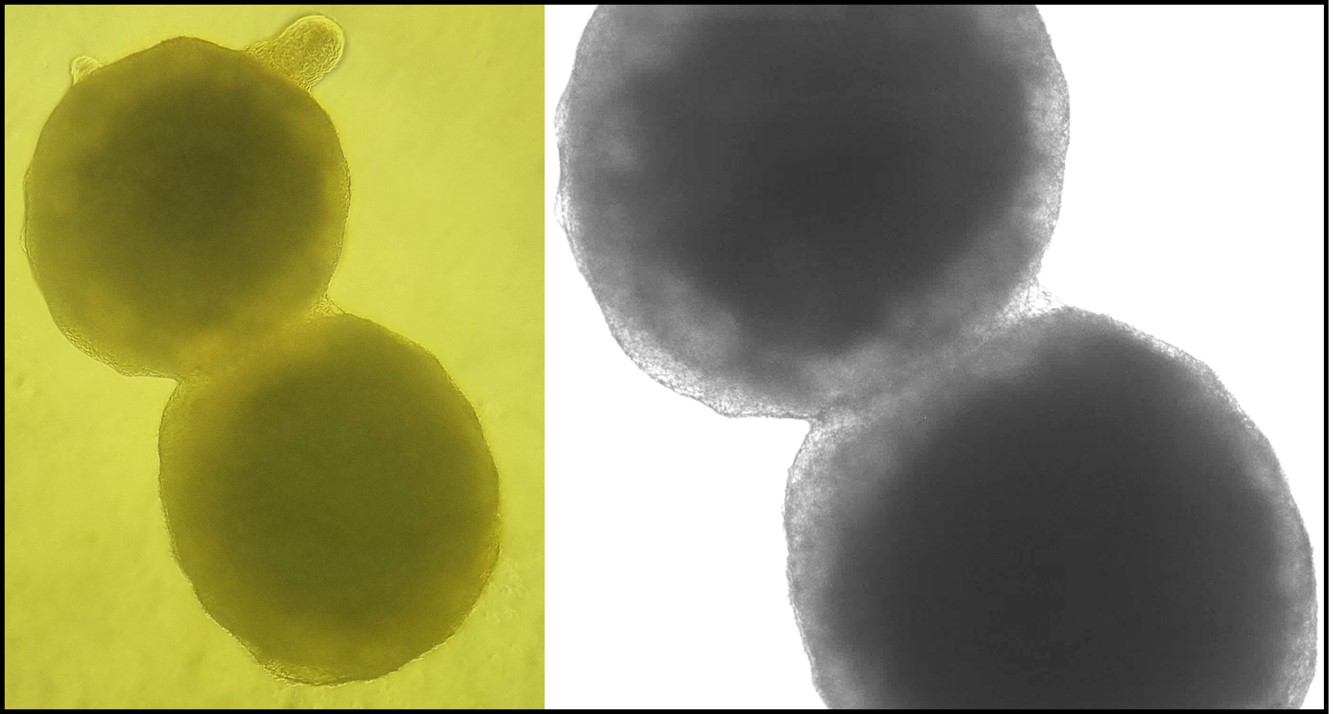
Golgi-stained section of mouse hippocampus Brightfield image of fused human brain organoids

What we are trying to understand

A major focus of our work is on RNA-binding proteins: molecules that help cells decide how genetic information is processed and used. These proteins are essential for healthy cell function, especially in the brain, where different cell types rely on carefully controlled patterns of gene expression and RNA processing.

When RNA-binding proteins stop working properly, the effects can be wide-ranging. Important RNA messages may be altered, splicing can go wrong, and cells may begin to lose the balance needed to stay healthy and function normally. These changes are increasingly recognised across neurodegeneration and other disorders of the nervous system.

Our research asks how these early molecular changes arise, which cells are most affected, and which pathways may be most important in driving vulnerability.

Why this matters

Many neurological disorders develop over many years, and the earliest disease-relevant changes can be difficult to capture. By studying these changes in human model systems, we aim to understand what is happening closer to the start of the disease process rather than only at later stages, when damage is already extensive.

This work matters not only for understanding disease biology, but also for improving how we identify meaningful targets and pathways for future therapeutic development.

Research themes

RNA-binding proteins in brain disease

RNA-binding proteins play central roles in how cells manage RNA, including splicing, localisation, stability and translation. In the nervous system, these processes are especially important because neurons are highly specialised, long-lived cells with complex RNA demands.

Our work focuses on understanding how disruption of proteins such as TDP-43 and related RNA-binding proteins affects neuronal systems in conditions including motor neurone disease, frontotemporal dementia and related disorders.

Human stem-cell models of the nervous system

A central part of the lab’s approach is the use of human stem-cell-derived models. These include 2D neuronal cultures as well as more complex 3D systems such as forebrain organoids and assembloids.

Using a combination of systems helps us study disease mechanisms at different levels of complexity, from controlled discovery work to more tissue-like biological contexts.

Transcriptomics, splicing and isoform biology

One of the main ways we study disease is by looking closely at RNA itself. We use transcriptomic approaches to understand how gene expression changes when RNA-binding proteins are disrupted.

This includes studying changes in overall gene activity, RNA splicing, cryptic exon inclusion and isoform usage using bulk, single-cell and long-read sequencing strategies.

Early mechanisms and therapeutic discovery

We are particularly interested in the earliest disease-relevant changes that occur after RNA regulation is disturbed. Understanding these early events can help us prioritise which pathways matter most and which cell states appear most vulnerable.

Over time, this helps create a framework for biologically informed therapeutic discovery.
Models and approaches

Our research combines a range of complementary methods, including human iPSC-derived neuronal models, forebrain organoids and assembloids, molecular perturbation approaches, transcriptomics and RNA analysis, splicing biology, and single-cell and long-read sequencing.

We are interested in research that is both mechanistically strong and clearly communicated, so that its value is visible not only to specialists, but also to funders, charities, patients, families and wider audiences who care about where the work may lead.

  • Human iPSC-derived neuronal models
  • Forebrain organoids and assembloids
  • Molecular perturbation approaches
  • Transcriptomics and RNA analysis
  • Splicing and isoform biology
  • Single-cell and long-read sequencing
  • Integrative analysis of disease-relevant pathways

Working with others

White Lab sits at the interface of molecular neuroscience, stem-cell biology and transcriptomics. We are interested in collaborations that bring together complementary expertise, including disease modelling, sequencing technologies, computational analysis and translational neuroscience.

Discuss collaboration